


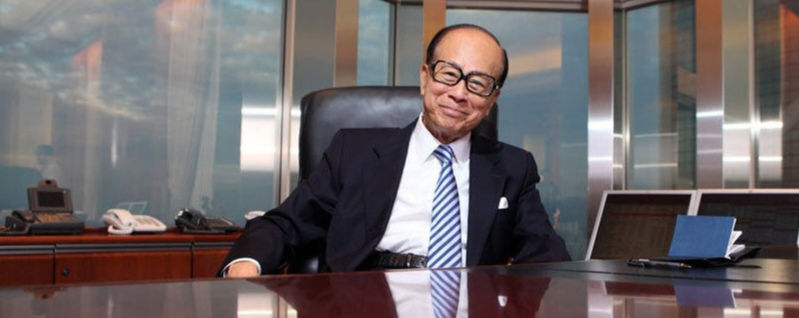
Li Ka-Shing,Hong Kong Business Tycoon
- ASIA INSPIRE
- Feb 3
- 4 min read

From Wharf Boy to Global Tycoon:
The Success Story of Hong Kong Billionaire Li Ka‑Shing
In the crowded streets of post-war Hong Kong, a teenage boy rose before dawn, not to attend school, but to work. The air smelled of the sea and sawdust from cheap plastic toys. That boy, Li Ka‑ting, would one day become one of Asia’s most influential billionaires—a symbol of how resilience, discipline, and long-term vision can transform hardship into a global business empire.

Humble Beginnings in a City of Uncertainty
Li was not born into privilege. His family fled turmoil on the Mainland and arrived in Hong Kong with little more than hope. Tragedy struck early: his father passed away when Li was still young, forcing him to abandon his studies to support his mother and siblings.
While other teenagers sat in classrooms, Li stood on factory floors. He worked long hours in a trading company and later in a plastic factory, learning every detail—from raw materials to customer relationships. What others saw as a dead-end job, he treated as a classroom. Every transaction, every delay, every complaint became a lesson.
Seizing Opportunity: The Birth of His First Business
In the 1950s, plastic flowers were a cheap novelty item, often dismissed as low-end. Li saw something different: a global consumer trend forming at the intersection of affordability and aspiration. With borrowed capital and relentless discipline, he founded his own plastic manufacturing company.

He studied foreign buyers, quality standards, and shipping schedules with an obsession that impressed clients. While competitors chased quick profits, Li built trust. He delivered on time, kept his promises, and reinvested nearly everything back into the business. The result is His small factory became one of the leading exporters of plastic goods in Hong Kong.
From Factory Floor to Property Powerhouse
The late 1960s brought social unrest and uncertainty to Hong Kong. Many investors panicked and fled the property market, selling assets at distressed prices. Where others saw crisis, Li saw a once-in-a-generation entry point.

He began quietly buying land and buildings, focusing on undervalued areas with long-term potential. This decision marked a turning point. Over time, his real estate holdings grew into a major property group known for disciplined capital allocation, efficient management, and a relentless focus on value. While the market cycled through booms and busts, Li’s strategy stayed consistent: buy cautiously, avoid excessive debt, and think in decades, not quarters.
Develop Diversified Empire
Li Ka‑ting didn’t stop at property. He expanded into:
Infrastructure and utilities
Power, ports, and energy assets that generated steady, long-term cash flow.
Telecommunications
Mobile networks and data services that connected millions across continents.
Retail and consumer
Brands and chains that became part of daily life for families across Asia and beyond.
What made his empire unique wasn’t just its size, but its philosophy. Li often emphasized three principles:
1. Diversify intelligently
Don’t chase every trend; focus on sectors with durable demand.
2. Protect the downside
Always prepare for crises before they arrive.
This approach turned his group into one of the most globally diversified business networks originating from Hong Kong.
Leadership Style:
Frugality, Discipline, and Focus
Despite his immense wealth, Li remained famously frugal and disciplined. He was known for:
- Simple daily routines and modest personal habits
- Long hours of focused work, even when his wealth was already secure
-Rigorous preparation before major decisions
Employees often described him as demanding but fair willing to reward performance, yet unforgiving of laziness and waste. His management philosophy echoed a simple belief: wealth is the by-product of value, not the goal in itself.
Weathering Crises: The Real Test of a Tycoon
Across his career, Li steered his businesses through multiple crises oil shocks, stock market crashes, Asian financial turmoil, the dot-com bubble, and global recessions.
Each time, he applied the same core approach:
- Hold cash and stay liquid in good times so you can act in bad times
- Avoid over-leverage, even when cheap debt is tempting
- Use downturns to buy quality assets at a discount, while competitors struggle to survive
For many entrepreneurs in Asia, Li’s story became a playbook: greatness is not built during booms but forged in downturns.
Legacy and Giving Back
As his influence and wealth grew, Li also focused on philanthropy. He donated significant sums to education, healthcare, and research across Asia and beyond, often emphasizing that the “last business” of a successful entrepreneur is to return wealth to society.
He once suggested that money, in the end, is a tool not an identity. The true mark of success lies in how many lives are improved because you existed, not just how much you accumulated.
Nett Worth 2025
As of early 2025, Li Ka-shing remains Hong Kong's richest person, with a net worth estimated at US$37.3 billion, according to the Forbes 2025 Hong Kong's 50 Richest List. His wealth is driven by his diversified investments, with his flagship firms including CK Hutchison Holdings and CK Asset Holdings.
Lessons for ASEAN and Asian Entrepreneurs
For readers of Asia Inspire | Asian Icon Magazine, Li Ka‑ting’s journey offers several timeless lessons:
1. Start where you are, not where you wish you were.
He began with factory work and low-margin plastics, not glamorous sectors—yet he used them as a platform.
2. Treat every job as training
Early roles in sales, production, and logistics became the foundation of his empire.
3. See crisis as a window, not a wall
Social unrest and economic fear opened doors in property and infrastructure that he walked through while others retreated.
4. Think in decades, act today
Every move was grounded in long-term thinking, executed with daily discipline.
5. Build trust as an asset
Reliability with partners, lenders, and governments became a competitive advantage money couldn’t easily buy.
Conclusion:
From Survivor to Symbol of Asian Resilience
Li Ka‑Shing’s story is not just about billions earned; it is about a mindset forged in hardship. A refugee’s son became a global tycoon because he combined hunger with humility, timing with tireless work, and ambition with discipline.
In a rapidly changing Asia—where new technologies, shifting supply chains, and geopolitical tensions create both risk and opportunity—his journey stands as a reminder:
You may not control where you start, but with resilience, strategic thinking, and integrity, you can shape where you end up..


Comments